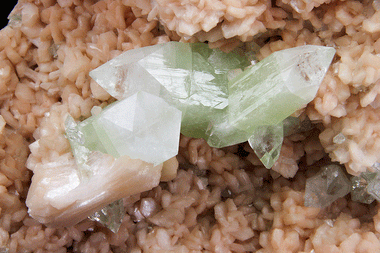
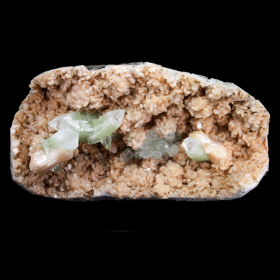
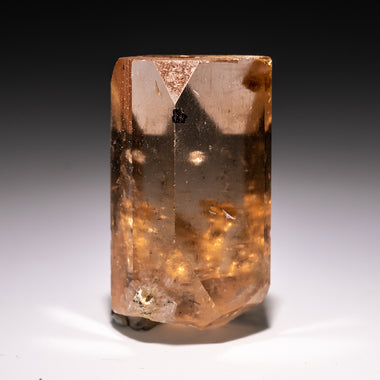
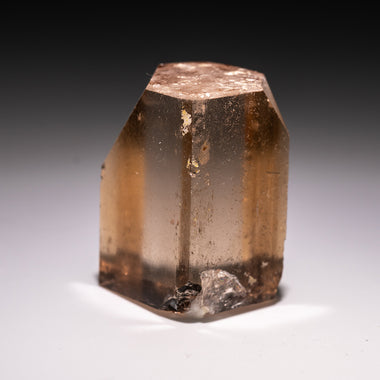
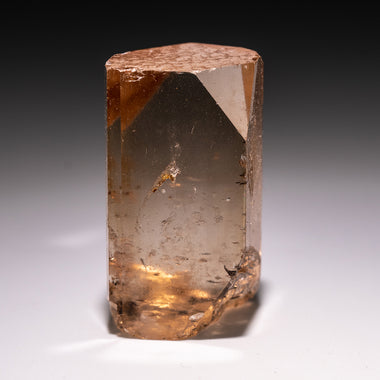
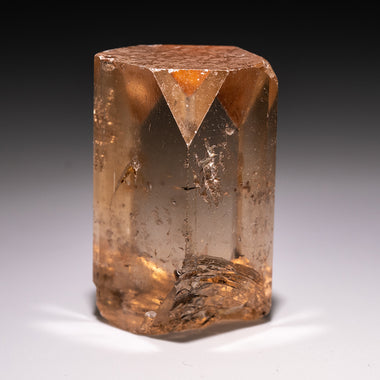
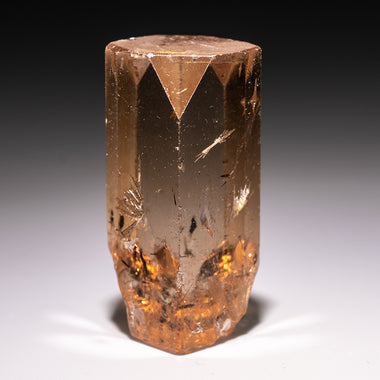
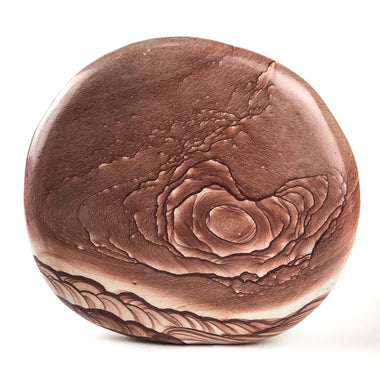
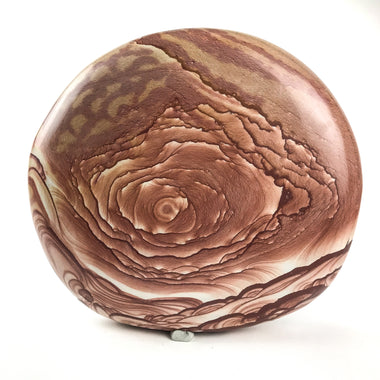
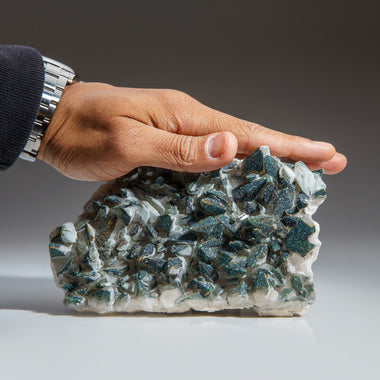
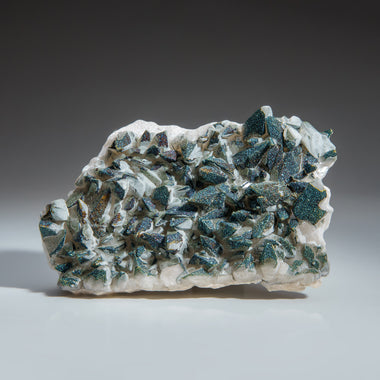
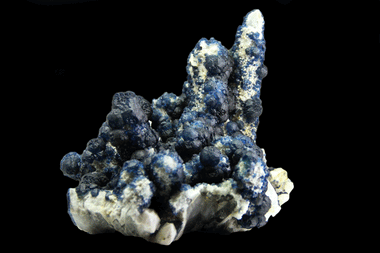
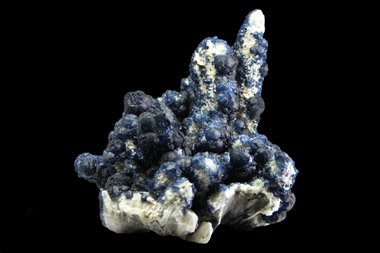
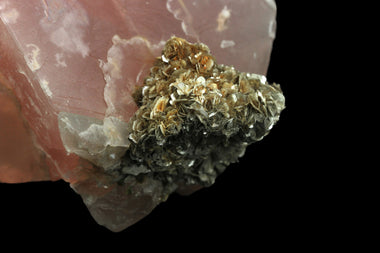
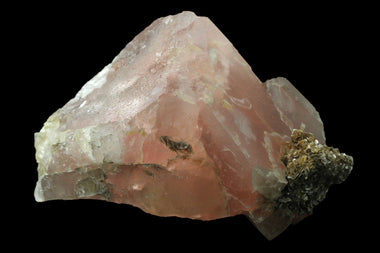
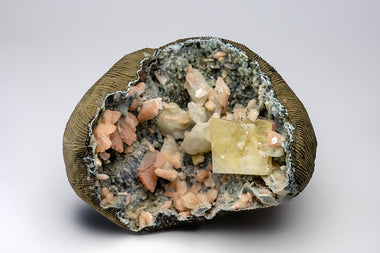
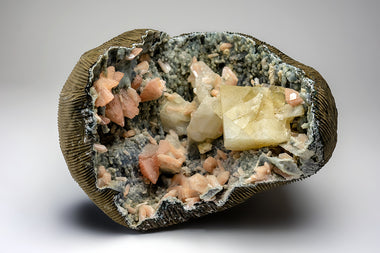
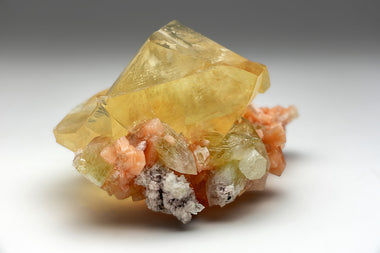
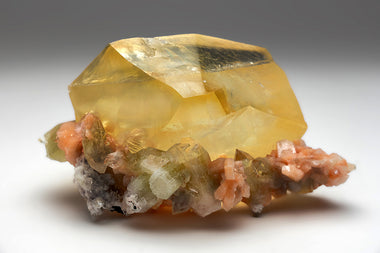
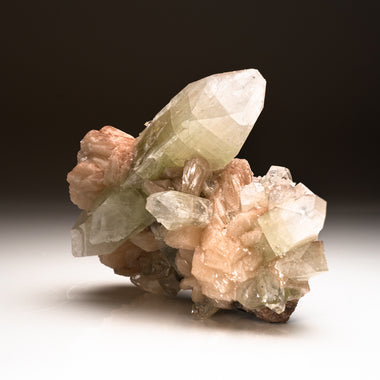
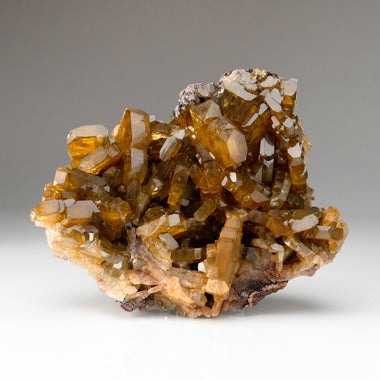
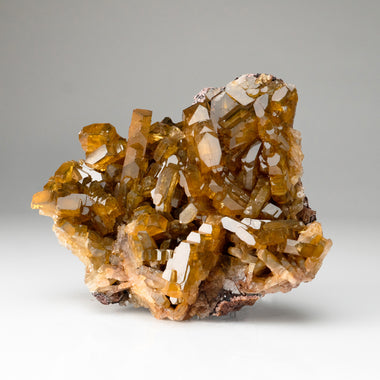
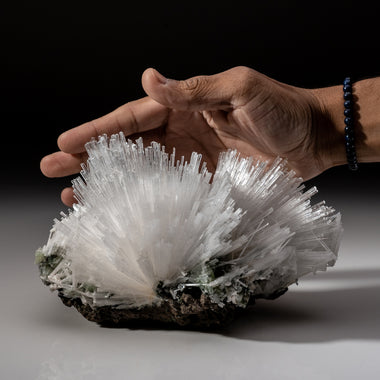
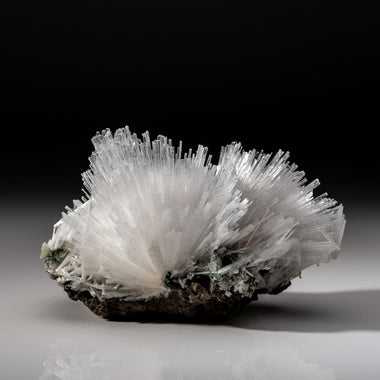
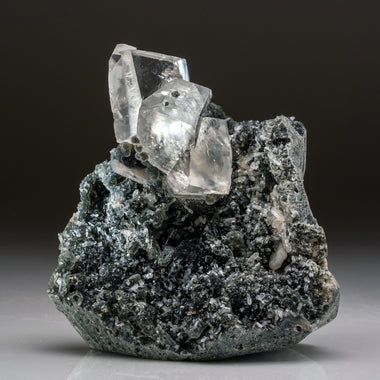
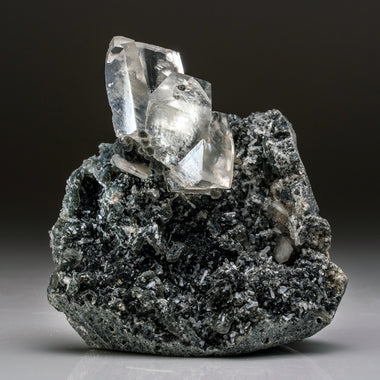
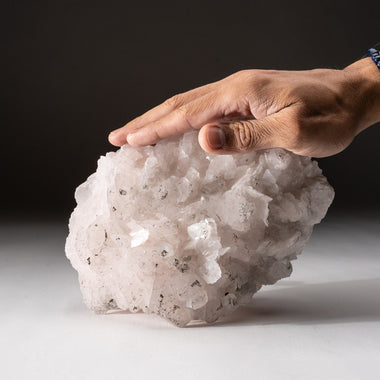
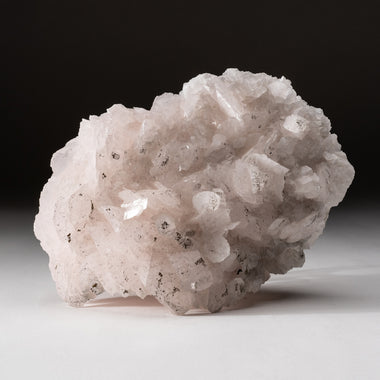
Blue fluorite, sherry topaz, chalcopyrite on calcite and pink fluorite with muscovite, out of Inner Mongolia, Hubei, Hunan, Guangxi, Gilgit-Baltistan and Maharashtra.
Asian Mineral Specimens Priced Live: Chinese Fluorite, Pakistani Topaz and Indian Zeolite Plates
Asian minerals covers the specimens reaching western collections from four producing zones. China supplies fluorite, calcite and sulfides from the mines of Hunan, Hubei, Guangxi and Inner Mongolia. Northern Pakistan supplies gem crystals from the pegmatite valleys of Gilgit-Baltistan, Myanmar supplies marble hosted species from the Mogok Stone Tract, and India supplies zeolite plates from the Deccan quarries of Maharashtra. Astro Gallery of Gems buys at the mine and at the Tucson, Denver and Munich shows, grades every plate for repair and matrix quality, and photographs each of the 186 specimens here individually.
Asian Mineral Prices, Live from the Catalogue
Price decides most Asian mineral purchases, so it opens the page rather than closing it. Each row names one specimen, links straight to its listing and carries the current figure, because Astro Gallery prices Asian material at gallery rate and revises the catalogue instead of maintaining a printed sheet.
| Piece | Detail | Price |
|---|
| Green Apophyllite with Stilbite from Jalgaon, Maharashtra, India |
See listing |
$ 22,000.00 |
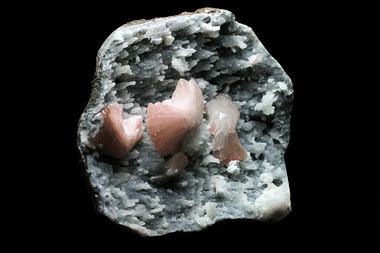
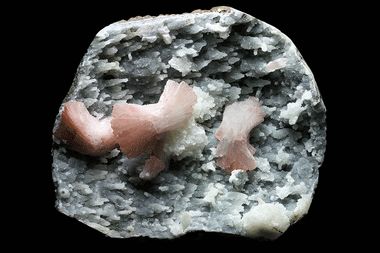
| Heulandite on Chalcedony From Nasik District, Maharashtra, India |
See listing |
$ 3,000.00 |
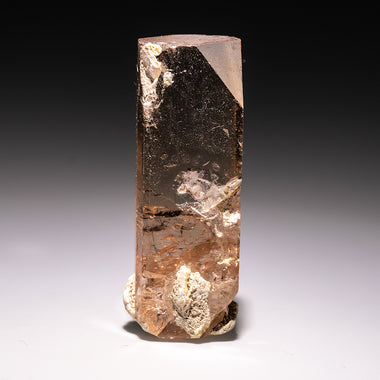
| Topaz from Shigar Valley, Skardu, Baltistan, Gilgit-Baltistan, Pakistan (53.6 grams) |
53.6 grams |
$ 1,340.00 |
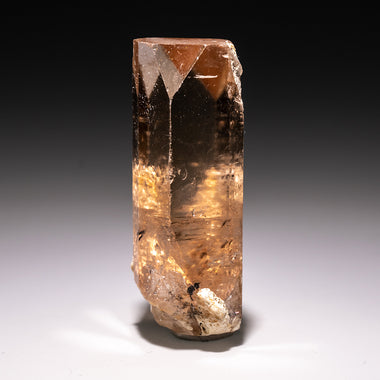
| Topaz from Shigar Valley, Skardu, Baltistan, Gilgit-Baltistan, Pakistan (87.4 grams) |
87.4 grams |
$ 2,185.00 |
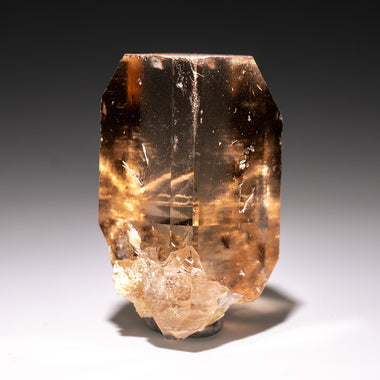
| Topaz from Shigar Valley, Skardu, Baltistan, Gilgit-Baltistan, Pakistan (65.1 grams) |
65.1 grams |
$ 1,627.50 |
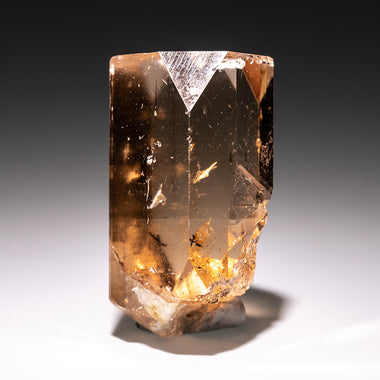
| Topaz from Shigar Valley, Skardu, Baltistan, Gilgit-Baltistan, Pakistan (60.2 grams) |
60.2 grams |
$ 1,505.00 |
One specimen, one price, one set of photographsAstro Gallery shoots every Asian specimen from several angles, states weight and dimensions, and holds the listed figure through checkout.
View all 186 pieces
Request photographs
Four Producing Zones Behind This Asian Mineral Shelf
Origin on an Asian mineral label carries unusual weight, because each belt produces a narrow set of species with a recognisable habit and matrix. Astro Gallery records the mine, district and province on every listing rather than the country alone.
Hunan, Hubei and Inner MongoliaYaogangxian at Chenzhou in Hunan supplies fluorite with wolframite and quartz, while the Edong district at Daye in Hubei produces scalenohedral calcite coated in iridescent chalcopyrite. Huanggang, the iron and tin deposit at Hexigten Banner in Inner Mongolia, yields navy to royal blue cubo-octahedral fluorite on stalactitic quartz.
Nandan and the Guangxi sulfide beltNandan County in the Hechi prefecture of Guangxi anchors the Dachang orefield, source of the cassiterite, stibnite and arsenopyrite that made Chinese sulfides collectable. Astro Gallery buys from this belt selectively, since metallic species out of Guangxi tarnish and require repair more often than other Chinese material.
Shigar Valley and Hunza, Gilgit-BaltistanNorthern Pakistan produces loose gem crystals rather than plates. Shigar Valley near Skardu in Baltistan yields sherry coloured topaz with sharp basal pinacoid terminations at fifty to ninety grams. Chumar Bakhoor in the Hunza Valley delivers octahedral pink fluorite accented by clusters of silvery muscovite.
Mogok Stone Tract, MyanmarThe Mogok valley in the Mandalay Region sits in metamorphosed marble rather than granite, which is why its ruby, spinel and rarer species show intense colour at small crystal size. Astro Gallery buys Burmese material through the show circuit, so it rotates across this shelf rather than resting on it.
Matrix, Repair and Composite Plates: Where an Asian Specimen Goes Wrong
Asian plates pass through more hands between pocket and cabinet than material from most regions. The four faults below account for nearly every dispute in the trade, and Astro Gallery runs each check before a specimen is photographed.
Composite and reassembled platesChinese cabinet plates are sometimes built from several fragments cemented onto one base, which reads as a single specimen in a catalogue photograph. Astro Gallery examines seam lines under magnification and states any reassembly, because a composite plate belongs at a composite price.
Backfill and sawn basesPreparators fill voids in matrix with tinted epoxy and saw bases flat so a plate stands unaided, and neither practice misleads anyone once it is disclosed. Read the listing text, then ask for an underside photograph whenever a base looks unusually square.
Forced iridescence on sulfidesChalcopyrite and bornite take a peacock tarnish naturally, and acid treatment produces a similar film on demand. Astro Gallery buys Hubei calcite with chalcopyrite through sources the gallery has traded with for decades, and describes surface colour exactly as the specimen carries it.
Cleavage scars on fluorite and topazFluorite parts along perfect octahedral cleavage at Mohs 4, and topaz splits along a basal plane despite measuring Mohs 8. Both faults leave flat reflective scars that vanish in a straight-on photograph, so Astro Gallery shoots those crystals at raking angles.
Asian Mineral Species by Chemistry, Hardness and Habit
| Species and chemistry | Habit, hardness and what it means on the shelf |
|---|
| Fluorite, calcium fluoride | Cubes, octahedra and cubo-octahedra in navy, royal blue and gem pink at Mohs 4, with perfect octahedral cleavage. Colour saturation and undamaged edges set the price, and blue Inner Mongolian material takes the premium. |
| Topaz, aluminium fluorosilicate | Sherry coloured prisms closed by basal pinacoid terminations at Mohs 8, arriving from Shigar Valley as loose single crystals at gram weights. Transparency and termination sharpness outweigh size in every valuation. |
| Calcite with chalcopyrite | Scalenohedral calcite at Mohs 3 carrying a second generation of brass yellow chalcopyrite at Mohs 3.5 to 4, which gives a scintillating surface. Soft calcite points chip whenever a plate is lifted by its crystals. |
| Quartz, silicon dioxide | Stalactitic and druzy quartz at Mohs 7 forms the host beneath Huanggang fluorite and Indian heulandite. Hard matrix protects softer crystals during transit and adds nothing to the fragility of a plate. |
| Muscovite and accessory species | Silvery mica books at Mohs 2 to 2.5, alongside wolframite, arsenopyrite and cassiterite from the Chinese belts. Accessories confirm locality and lift value when they sit cleanly rather than obscuring the main crystal. |
Trade Words on Asian Mineral Labels, Translated
Cubo-octahedralA fluorite crystal showing cube faces and octahedron faces together, the habit that identifies Huanggang blue fluorite from Inner Mongolia at a glance.
ScalenohedralThe steep twelve faced calcite form the trade calls dogtooth, standard on Hubei plates and easy to chip at the points during handling.
Basal pinacoidThe flat face closing the end of a topaz crystal, and also the plane along which topaz cleaves, so a sharp pinacoid is a survival record as much as a shape.
Second generationA later mineral grown over an earlier one, such as chalcopyrite dusted across calcite, which the trade prices above a comparable single species plate.
CompositeA specimen assembled from more than one broken piece and cemented together, disclosed in the description and priced well beneath an undamaged natural plate.
StalactiticMatrix built as hanging columns of quartz inside a cavity, which gives Huanggang fluorite plates their unmistakable ribbed underside and considerable structural strength.
The Locality Buyer and the Aesthetics Buyer on the Asian Shelf
Collecting by localityLocality collectors build a run of named mines, taking Yaogangxian fluorite, Nandan sulfides and Shigar Valley topaz as one classic example each. They read the label before the photograph, pay a premium where output has closed or tightened, and expect the mine, district and province stated in full on the invoice.
Collecting by appearanceAesthetic buyers work from the object outward, choosing a blue fluorite plate on stalactitic quartz because it holds a room, and treating locality as supporting information. This route favours large cabinet Chinese plates with saturated colour and forgiving matrix, and it carries most of the decor and gift buying on this page.
Cabinet Display, Lighting and the Metaphysical Register
Asian minerals span the whole trade size ladder. A fifty gram Shigar Valley topaz belongs in a case drawer beside a printed label, small cabinet plates run three to four pounds, and large cabinet pieces above eight pounds need an open shelf. Lighting decides how much of that money a room actually shows. Blue fluorite from Huanggang goes flat under warm domestic bulbs and comes alive under a cool white spot, while iridescent chalcopyrite rewards a light source you can move.
A second audience reaches identical specimens through metaphysical vocabulary, calling fluorite a stone of focus, topaz a stone of abundance and quartz a master or programmable crystal. Chinese and Pakistani pieces sell steadily as gifts under those names. Astro Gallery records species, mine, weight, dimensions and condition on every listing and makes no health or energetic claim for any of them, so the catalogue states only what the gallery can evidence.
Fluorite Cleavage, Topaz Faces and Sulfide Tarnish: Keeping Asian Minerals Stable
Three risks account for almost all damage to Asian specimens after delivery. Fluorite parts along perfect octahedral cleavage under a knock or a sharp temperature swing, so keep a plate off a sunlit sill and lift it by the matrix rather than by the crystals. Sulfides keep reacting in humid air, since chalcopyrite, arsenopyrite and pyrrhotite dull over time and pyrite from certain Chinese localities degrades outright. Store metallic species in a dry room with a silica gel sachet inside the cabinet. Dust everything with a soft blower instead of a cloth, and keep water, ultrasonic tanks and household sprays away from every specimen here.
Asian Mineral Orders: Settlement, Crating and Customs
Checkout settles through Shop Pay, PayPal, Apple Pay, Google Pay or a Visa, Mastercard, Discover or Diners Club card, and the listed figure carries through to an itemised invoice. Before committing, request the exact dimensions, an underside photograph showing the base and any saw line, or a video of the fluorite under moving light, and our team sends it the same working day.
Astro Gallery has packed sulfide plates and cleavable fluorite for transit since 1961. Each specimen floats on cut foam so nothing bears on a crystal tip, and the matrix is blocked against movement inside the carton. Pieces above a pound travel double boxed, and the heaviest Chinese plates are crated. Shipments leave tracked and fully insured to any destination with customs paperwork completed in advance, under our returns policy and the guarantee published on about us.
Rated everywhere we trade
Asian Minerals: Price, Repair, Shipping and Returns
How much do Asian mineral specimens cost?
Pakistani topaz crystals at gram weights and small Chinese plates open the range, cabinet fluorite and calcite with chalcopyrite occupy the middle, and vault grade Inner Mongolian fluorite and large Indian apophyllite plates sit at the top. The table above carries the live figure for every piece currently in stock.
Are Chinese mineral specimens repaired or composite?
Repair and reassembly occur across Chinese material, which is why Astro Gallery inspects seam lines under magnification and states any repair, reattachment, backfill or sawn base in the listing. A composite plate is sold as a composite plate at a composite price.
Is the iridescence on chalcopyrite natural?
The peacock colour on chalcopyrite and bornite forms naturally as a surface tarnish, and acid treatment produces a similar film artificially. Astro Gallery buys Hubei calcite with chalcopyrite through long standing sources and describes each surface exactly as the specimen carries it.
Which Asian localities do these specimens come from?
This shelf draws on Yaogangxian in Hunan, the Edong district at Daye in Hubei, Huanggang in Inner Mongolia, Nandan in Guangxi, Shigar Valley and Chumar Bakhoor in Gilgit-Baltistan, the Mogok Stone Tract in Myanmar, and the Deccan zeolite quarries of Maharashtra. Every listing names the mine and district.
What size Asian specimen fits a display cabinet?
Pieces between two and four pounds measure roughly six to eight inches and sit inside a standard glass cabinet. Plates above eight pounds run past ten inches with projecting crystals, so they need an open shelf with clearance rather than an enclosed case.
Do you ship Asian minerals internationally?
Yes. Every order travels tracked and fully insured to any destination, with customs paperwork prepared before dispatch and freight quoted separately on the heaviest Chinese plates so the cost is agreed in advance.
Can I return an Asian specimen after delivery?
Yes. Returns run under the terms published on our returns page, and requesting the exact dimensions plus extra photographs of the base and contact faces beforehand settles the question for most buyers before a specimen leaves the gallery.
How do I stop a sulfide specimen from tarnishing?
Keep metallic species in dry, stable indoor air with a silica gel sachet inside the cabinet, away from humidity and household chemicals. Dust with a soft blower rather than a cloth, since wiping a chalcopyrite surface strips the iridescent film.
After the Asian Shelf: Species, Regions and Grades
Buyers leaving this page follow one of three threads: a species across every country producing it, a neighbouring continent for the same class of specimen, or a step up in grade. Each thread begins below.
Grade, rarity and provenance