The collection, in depth
Minerals $1000-$5000 for Sale — Crystals, Fossils and Display Specimens from a New York Gallery Trading Since 1961
Astro Gallery of Gems lists 107 pieces in this collection. Astro Gallery has traded natural minerals, crystals, fossils and gemstones at 417 Fifth Avenue, New York since 1961, and is run today by the third generation of the same family across four galleries.
107Pieces available now
9Countries of origin
Since 1961Fifth Avenue, New York
14 daysReturn window
Minerals $1000-$5000 in stock now
Prices below are live and shown in your local currency. Each listing states the piece’s own weight and dimensions, because these are individually selected objects rather than a manufactured product line.
| Specimen | Locality | Price |
|---|
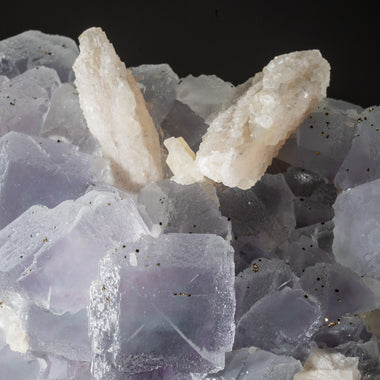
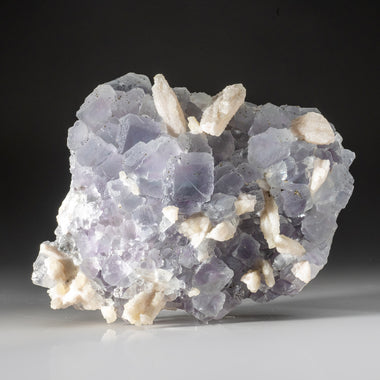
| Blue Fluorite with Calcite Crystal from Hunan Province, China |
China |
$ 4,500.00 |
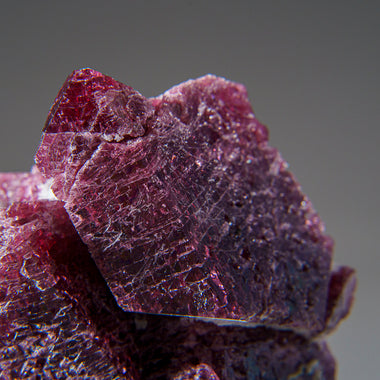
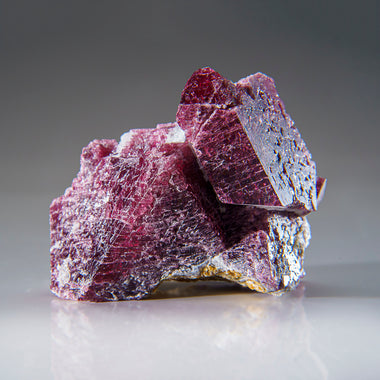
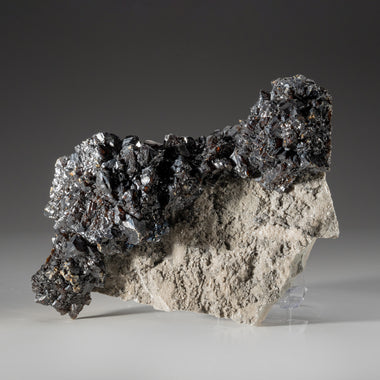
| Spinel from Mogok, Sagaing Division, Myanmar (Burma) |
Myanmar |
$ 1,500.00 |
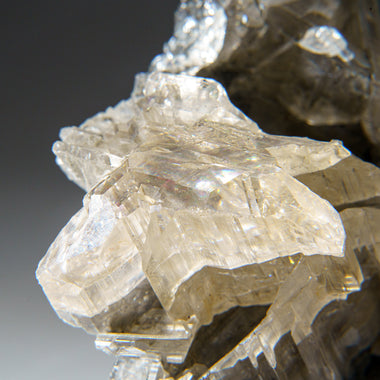
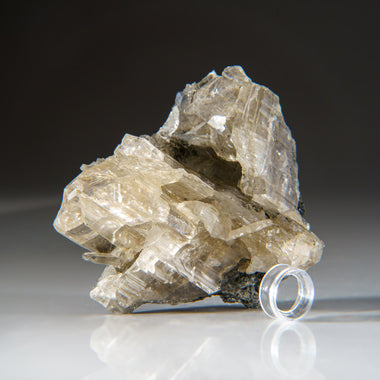
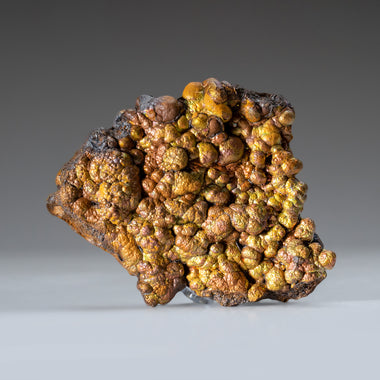
| Golden Barite from Elk Creek, South Dakota (451.7 grams) |
— |
$ 2,700.00 |
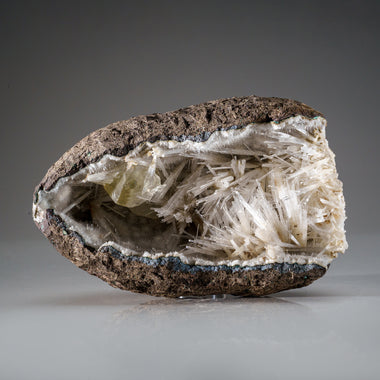
| Hemimorphite with Calcite From Santa Eulalia District, Aquiles Serdán, Chihuahua, Mexico |
Mexico |
$ 1,800.00 |
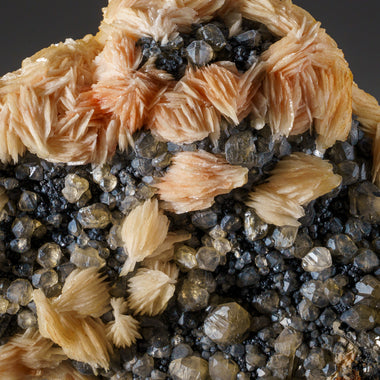
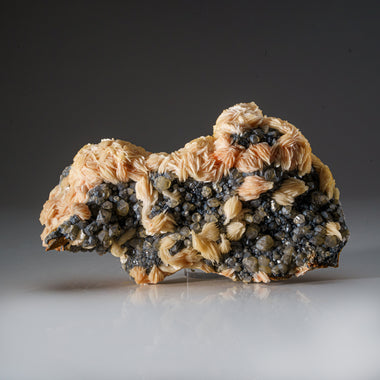
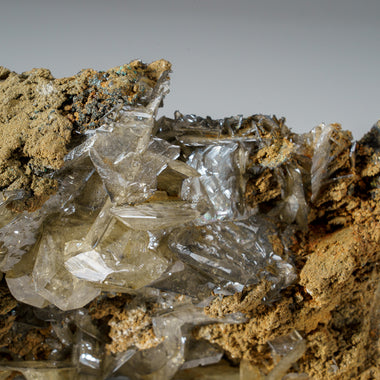
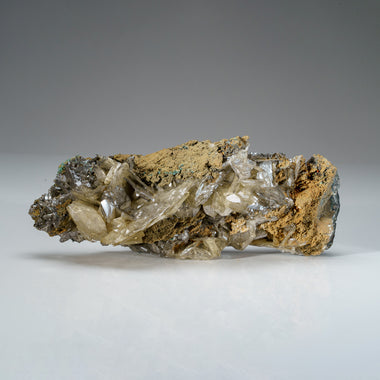
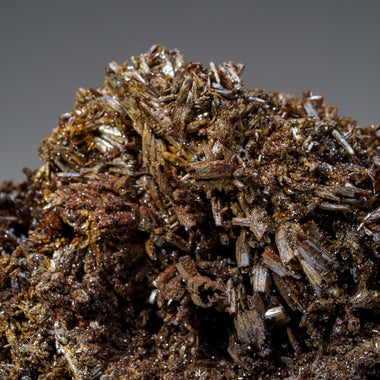
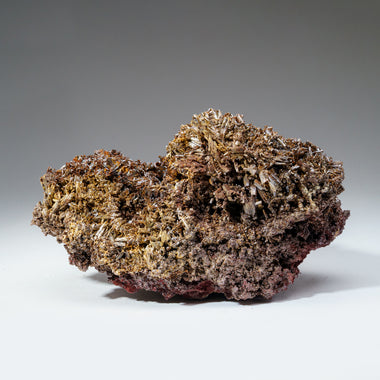
| Barite with Cerussite from Mibladen, Haute Moulouya Basin, Midelt Province, Morocco |
Morocco |
$ 3,000.00 |
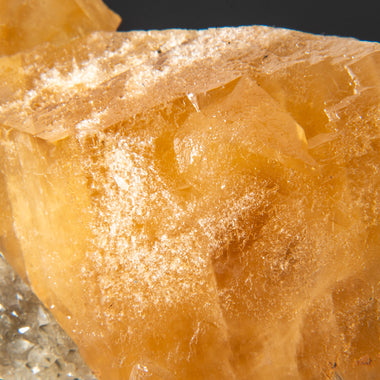
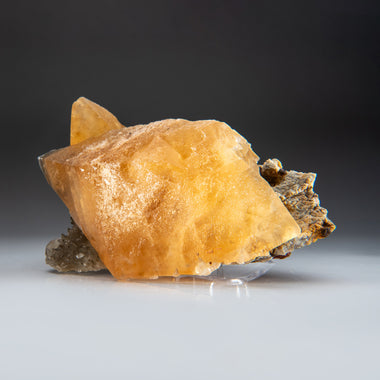
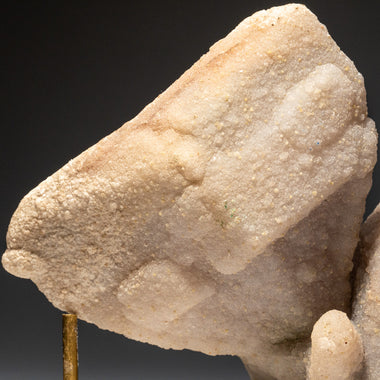
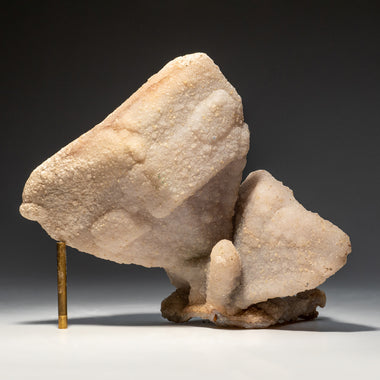
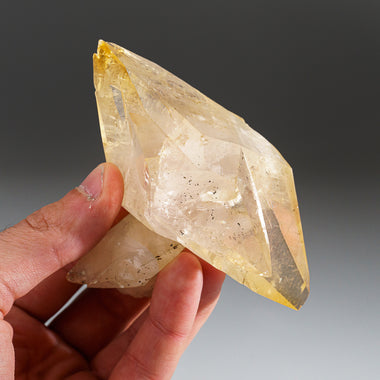
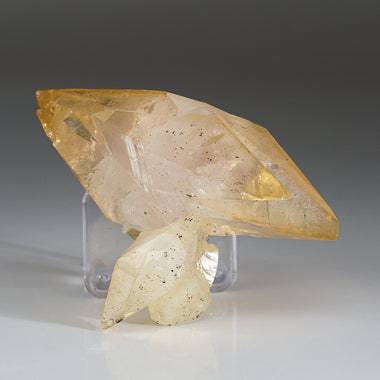
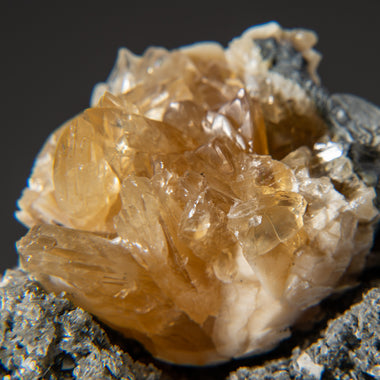
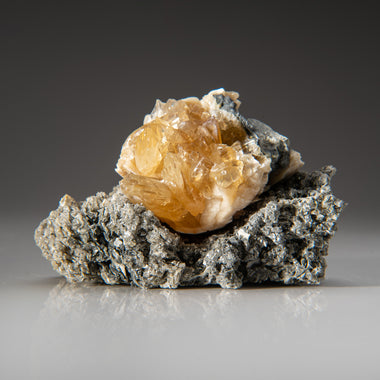
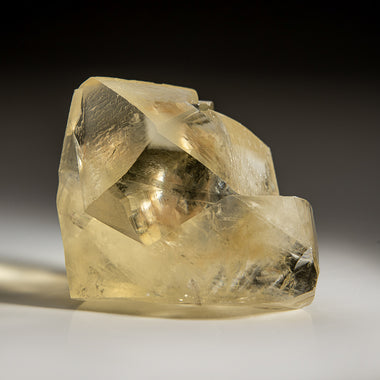
| Golden Calcite from Elk Creek, Meade County, South Dakota |
— |
$ 2,500.00 |
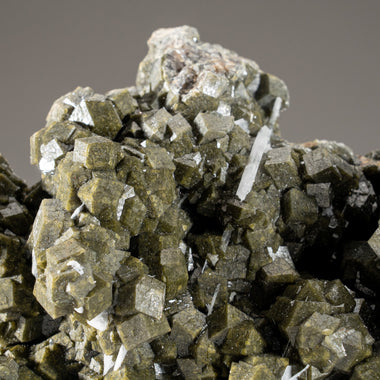
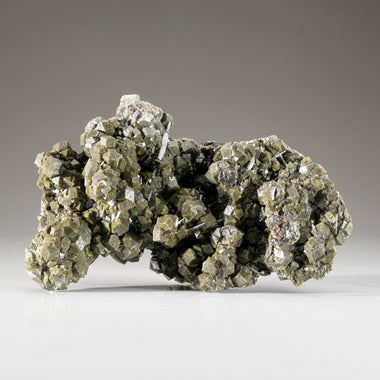
| Andradite Garnet from Stanley Butte, San Carlos Indian Reservation, Graham County, Arizona |
India |
$ 1,200.00 |
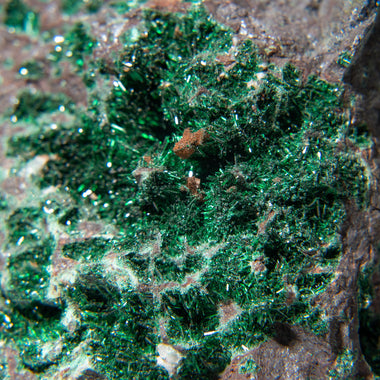
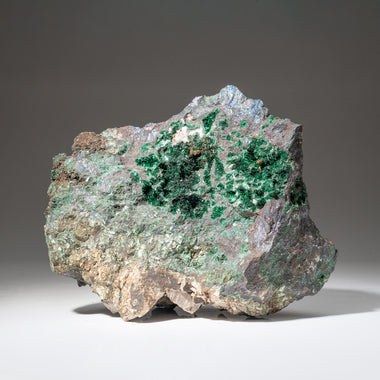
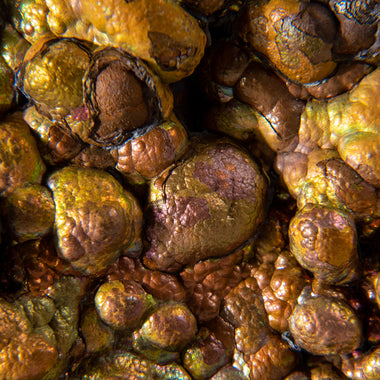
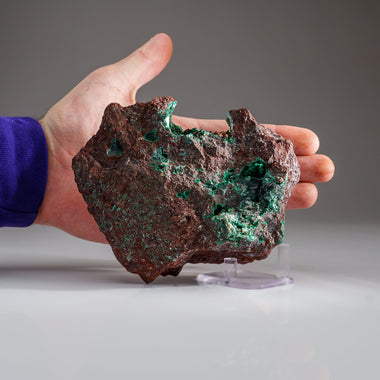
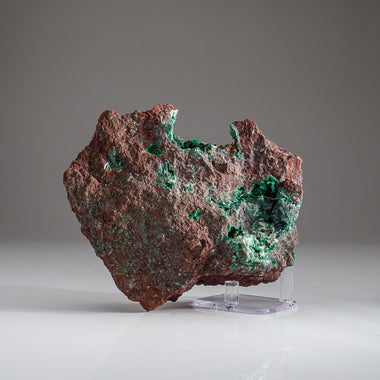
| Malachite Crystals on Cuprite Matrix from Shaba Copper Belt, Katanga (Shaba) Province, Democratic Republic of the Congo (Zaire) |
Congo |
$ 1,250.00 |
| View all 107 pieces → |
What this collection contains
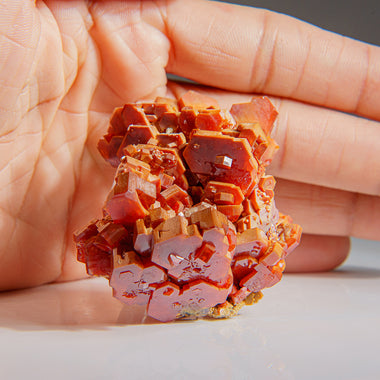
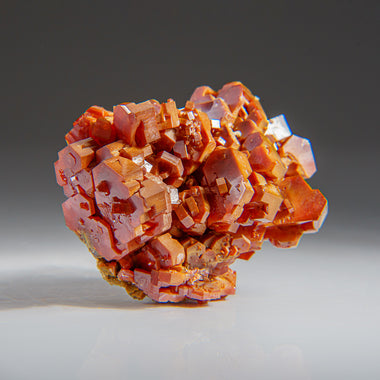
The largest groups in this collection are Calcite (8 pieces), Malachite (2 pieces), Fluorite (2 pieces), Vanadinite (1 piece). Each piece is listed individually with its own weight and measurements, so two specimens of the same species are priced on their own merits rather than to a common rate.
Where these pieces come from
Locality matters commercially as well as geologically: a specimen labelled with its named mine is a different object to a collector than one labelled only by country, and it prices accordingly. Astro Gallery names the source on every listing where the source is documented.
India
5 pieces
5 pieces in this collection name India as the source.
Namibia
3 pieces
3 pieces in this collection name Namibia as the source.
Morocco
2 pieces
2 pieces in this collection name Morocco as the source.
Mexico
2 pieces
2 pieces in this collection name Mexico as the source.
Congo
2 pieces
2 pieces in this collection name Congo as the source.
China
2 pieces
2 pieces in this collection name China as the source.
How to tell if a crystal or mineral specimen is real
Four checks settle the question on almost any piece, and they are worth knowing whoever you buy from.
Mohs hardnessQuartz species sit at 7 on the Mohs scale: they scratch glass and are not scratched by steel. A “crystal” that scratches easily is glass or resin.
Thermal testNatural stone holds cold. A genuine specimen stays cool in the palm for thirty seconds or more; resin warms almost immediately.
10× magnificationNatural minerals show growth lines, cleavage traces and irregular inclusions. Glass shows spherical gas bubbles and uniform surfaces.
Colour behaviourDyed material shows stronger colour at the surface than in a chip or broken edge. Most commercial citrine is heat-treated amethyst, recognisable by burnt-orange crystal tips.
A treated stone is still a real mineral — heating and dyeing are legitimate enhancements, and the problem is undisclosed treatment rather than treatment itself. Astro Gallery answers treatment, locality and condition questions on any individual piece before purchase, by phone on (212) 889-9000 or at customerservice@astrogallery.com.
Buying from Astro Gallery
Astro Gallery guarantees satisfaction on website purchases. A specimen may be returned in its original condition and original packaging, with the packing slip, postmarked within 14 days of purchase, to Astro Gallery of Gems, 417 Fifth Avenue, New York, NY 10016. Cash refunds are processed within 2 weeks of receipt, and store credit is issued immediately on receipt. The buyer pays return shipping, and damage on arrival should be reported within one business day of delivery. In-store purchases follow different terms from website purchases.
Any piece in this collection can also be examined in person before purchase at 417 Fifth Avenue in Manhattan, or at any of Astro Gallery’s four galleries.
Buyer questions
Are Astro Gallery’s minerals $1000-$5000 genuine?
Yes. Astro Gallery of Gems has sourced and sold natural minerals, fossils and gemstones from 417 Fifth Avenue, New York since 1961, and every piece in this collection is natural stone or genuine fossil material — never reproduction, never reconstituted composite. Specimens are photographed individually so you can judge the exact piece before you buy, and where a smaller repeating item is shown with a catalogue photograph the listing states it openly. Our specialists will send photographs of the actual piece on request, on any item in the collection.
How much do these pieces cost?
This collection holds 107 pieces, and price reflects species, size, locality and condition rather than a product line, because each piece is individually selected. Current prices are shown live on every listing in your local currency.
Where do these specimens come from?
Sources named across this collection includeIndia (5), Namibia (3), Morocco (2), Mexico (2), Congo (2), China (2). Each listing names its origin, and the mine locality wherever it is documented.
How should I care for these pieces?
Hardness varies widely. Selenite sits at 2 on the Mohs scale — softer than a fingernail — so it should never be washed or left in damp air. Quartz and jasper sit at 6.5–7 and can be dusted and handled freely. Keep coloured material out of direct sunlight to preserve saturation.
What is Astro Gallery’s return policy?
Website purchases can be returned in original condition and original packaging with the packing slip, postmarked within 14 days of purchase, to 417 Fifth Avenue, New York, NY 10016. Cash refunds are processed within 2 weeks of receipt; store credit is issued immediately. The buyer pays return shipping. In-store purchases follow different terms.
What if my specimen arrives damaged?
Report damage on arrival within one business day of delivery, by phone on (212) 889-9000 or email to customerservice@astrogallery.com, and the gallery will resolve it.
Can I see a specimen in person before buying?
Yes. Any piece can be viewed at Astro Gallery, 417 Fifth Avenue, New York, or at any of its four galleries. Contact the gallery to have a specific piece brought out.