African minerals at Astro Gallery
Buy African Minerals Online, Madagascar, Morocco and Namibia Specimens, Individually Photographed
Africa supplies two very different markets from the same continent: polished Malagasy stone that furnishes a room, and Moroccan collector material that fills a cabinet. Both sit in this collection. Astro Gallery of Gems, 417 Fifth Avenue, New York, trading since 1961, lists 367 African pieces right now, each with its own weight, measurements and photography, and each priced as the individual object it is.
African Minerals by Country: Madagascar, Morocco and Namibia
Locality is the first thing a collector reads and the last thing a decorator thinks about, yet on this page it explains almost everything, from why one heart costs $20 and another specimen four figures, to what the piece will look like on a shelf. Three countries supply the stock, and each has a signature.
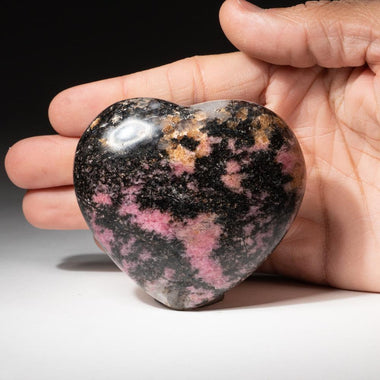
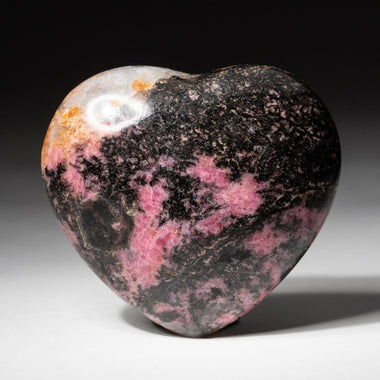
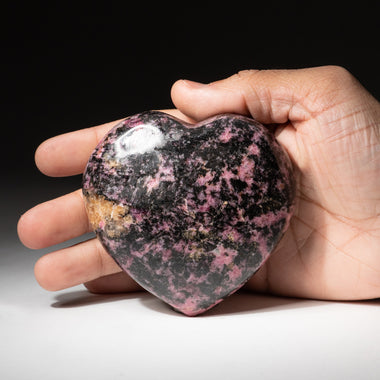
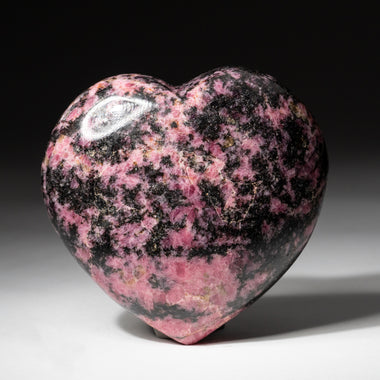
Madagascar156 piecesThe island turns rough into finished form better than anywhere: septarian, strawberry and rose quartz, polychrome and ocean jasper, rhodonite, carnelian agate, cut into eggs, hearts, flames and freeforms. This is where the collection’s colour and pattern live.
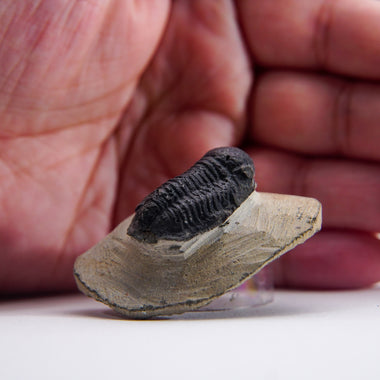
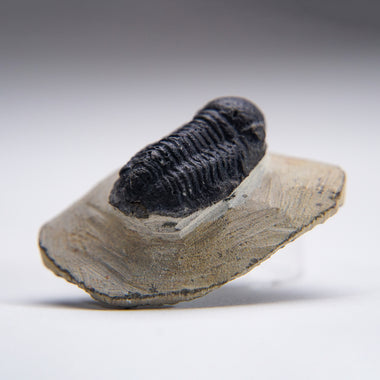
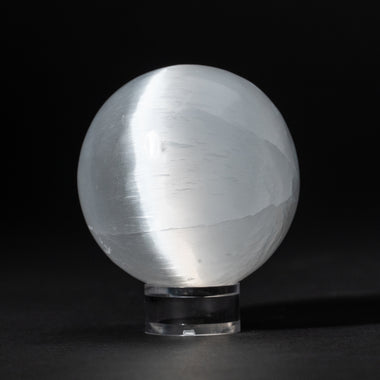
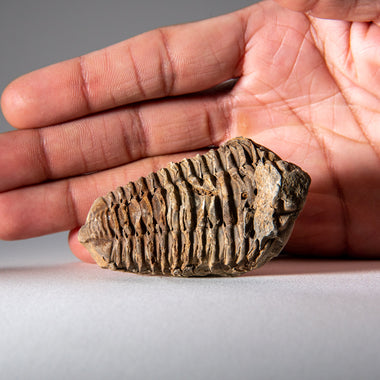
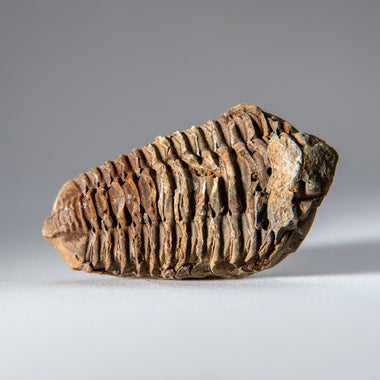
Morocco94 piecesThe collector end. Vanadinite from Mibladen in the Atlas Mountains, cat’s-eye selenite from the gypsum beds, and Devonian trilobites still bedded in limestone, specimens that carry named localities and a documented trade behind them.
Namibia8 piecesThe smallest group and the most quietly prestigious: southern African material from the country whose Tsumeb mine set the world standard for African collector minerals. Listed individually as it becomes available.
What This Collection Contains: Species Breakdown
Four species groups account for most of the inventory, and they suit different buyers. The counts below are live title matches from today’s feed, useful because they tell you what you are actually likely to find when you filter.
| Species group | What it is, and who buys it |
|---|
| Septarian · 70 | Not a mineral species at all but a fossilised mud concretion, veined with yellow calcite and brown aragonite. Cut into eggs and hearts, it is the collection’s most recognisable decorative stone. |
| Quartz · 62 | Mostly Madagascan polished freeforms, including strawberry and rose varieties. Hardness 7 makes it the safest choice for anything that will be handled daily. |
| Trilobites · 46 | Middle Devonian marine arthropods from Morocco, most still in their original limestone matrix, genuine fossils sitting inside a mineral collection, and often a first fossil purchase. |
| Selenite · 33 | Crystallised gypsum, sold here as Moroccan cat’s-eye palm stones, towers and spheres. Beautiful and soft, Mohs 2, so it never meets water. |
Behind them sit the smaller groups that give the collection its range: rhodonite (12), calcite (10), polychrome and ocean jasper (8) and fluorite (4), alongside the Moroccan vanadinite clusters that are the most sought-after collector material on the page.
African Minerals for Sale, Live Prices
Prices below come straight from today’s stock and display in your own currency. Because every piece is bought and catalogued individually at Fifth Avenue, two specimens of the same species can price very differently, and when one sells, its listing retires with it.
Gift or Collection? Two Ways to Buy From This Page
Buying for a room or a giftDecorative intent
Shop the Madagascan side: polished hearts, eggs, palm stones and freeforms, chosen for pattern and colour rather than crystal habit. Nothing needs maintenance and nothing needs explaining when it is unwrapped.
- Hard species survive handling
- Pattern beats species, jasper, agate, septarian
- Weight in the title tells you the scale
Buying as a collectorSpecimen intent
Shop Morocco and the fossil material: named localities, matrix intact, crystal habit and termination visible. These are the pieces that hold value in a cabinet and read correctly to another collector.
- Locality line stated where documented
- Trilobites in original limestone
- Vanadinite from the Mibladen district
How to Tell a Genuine Mineral Specimen: Four Checks
These four checks settle authenticity on almost any piece, here or anywhere else, and a specialist will walk you through them on a specific listing before you order.
Mohs hardnessQuartz species sit at 7: they scratch glass and steel does not scratch them. A “crystal” that scratches easily is glass or resin.
Thermal testNatural stone holds cold. A genuine specimen stays cool in the palm for thirty seconds or more; resin warms almost at once.
10× magnificationReal minerals show growth lines, cleavage traces and irregular inclusions. Glass shows spherical bubbles and uniform surfaces.
Colour behaviourDyed material is strongest at the surface and pale in a chip or broken edge. Most commercial citrine is heat-treated amethyst, recognisable by burnt-orange tips.
A treated stone is still a real mineral, heating and dyeing are legitimate enhancements, and the problem is undisclosed treatment rather than treatment itself. Specimens here are photographed individually so you judge the exact piece; where a smaller repeating item is shown with a catalogue photograph the listing states it plainly, and photographs of the actual piece are sent on request for any item in the collection. Ask on (212) 889-9000 or customerservice@astrogallery.com.
African Mineral Terms: Matrix, Locality, Habit and Size
MatrixThe host rock a crystal or fossil still sits on. “Trilobite on matrix” means the animal remains in its original limestone.
LocalityThe named mine and region a piece came from. Provenance drives collector value more than size does.
TerminationThe naturally formed crystal tip. Complete, undamaged terminations mark a premium specimen.
Crystal habitThe shape a species characteristically grows in, vanadinite’s hexagonal barrels, selenite’s fibrous silk.
Size classesCollector shorthand by longest side: toenail 1.25–2″, miniature 2–3″, small cabinet 3–5″, cabinet over 5″.
FreeformPolished to follow the rough’s own outline rather than a set shape, the Madagascan speciality, and never twice the same.
Caring for African Minerals: Hardness Decides Everything
One rule covers this whole collection: match the care to the species, not to the price. Selenite sits at Mohs 2, softer than a fingernail, so it is never washed, never left in damp air, and never stacked against anything. Septarian and calcite are similarly soft and prefer a dry, undisturbed shelf. Quartz and jasper at 6.5–7 handle dusting, daily contact and the occasional knock without complaint. Keep strongly coloured material out of direct sun, where months of exposure slowly pale it, and give trilobites the same courtesy you would any fossil: no solvents, no scrubbing, and a soft brush when dust settles.
Buying From Astro Gallery: Terms, Returns and Viewing in New York
The purchase terms are published and unchanged for every piece on this page. A website purchase may be returned in its original condition and original packaging, with the packing slip, postmarked within 14 days of purchase, to Astro Gallery of Gems, 417 Fifth Avenue, New York, NY 10016. Cash refunds are processed within 2 weeks of receipt; store credit is issued immediately. The buyer pays return shipping, and damage on arrival should be reported within one business day of delivery. In-store purchases follow different terms.
Behind those terms is the same family in its third generation, four galleries, and a collection profiled in Mineralogical Record Vol. 47 No. 4.1, credentials a buyer can check rather than take on trust. Everything here is bought online and shipped from New York; if you would rather decide in person first, any piece can be brought out at 417 Fifth Avenue.
Rated everywhere we trade
Questions about a specific piece?Ask about locality, treatment, condition or dimensions, or arrange to view a specimen at the Fifth Avenue gallery.
Ask a specialist
Visit the NYC gallery
African Minerals FAQs: Authenticity, Prices and Origins
Are Astro Gallery’s African minerals genuine?
Yes. Every piece is natural stone or genuine fossil material, never reproduction, never reconstituted composite, sourced and sold from 417 Fifth Avenue since 1961. Specimens are photographed individually so you can judge the exact piece before you buy; where a smaller repeating item is shown with a catalogue photograph, the listing says so, and photographs of the actual piece are sent on request.
How much do African mineral specimens cost?
Individually, not by product line: the range runs from around $20 polished palm stones and hearts up to five-figure cabinet specimens. Species, size class, locality and condition set each price, and every listing shows its live figure in your currency.
Which African countries do these specimens come from?
Madagascar supplies 156 pieces, Morocco 94 and Namibia 8 by today’s feed. Moroccan material includes vanadinite from Mibladen in the Atlas Mountains, Khénifra Province, plus Devonian trilobites and cat’s-eye selenite; Madagascan pieces are largely polished septarian, quartz, jasper and rhodonite.
What is septarian, and why is there so much of it?
Septarian is a fossilised mud concretion veined with yellow calcite and brown aragonite, not a single mineral species. Madagascar produces it in quantity and polishes it superbly, which is why seventy pieces here are septarian, making it the collection’s largest single group.
Why are there fossils in a mineral collection?
Because the same Moroccan sources supply both. Forty-six trilobites sit in this collection, most still in their limestone matrix, Devonian marine arthropods that appeal to exactly the buyer who also wants a vanadinite cluster. If you want the fossil side in depth, the fossil collections run deeper still.
Which pieces suit a gift, and which suit a collection?
Polished Madagascan work, hearts, eggs, palm stones, freeforms, makes the better gift: hard-wearing, immediately attractive, nothing to maintain. Moroccan specimens with named localities and intact matrix are the collector purchase. Tell the gallery which you are shopping for and it will shortlist accordingly.
How should I care for these pieces?
By species. Selenite (Mohs 2) stays dry and untouched by cleaning products; septarian and calcite prefer a still, dry shelf; quartz and jasper (6.5–7) tolerate handling and dusting. Keep saturated colours away from prolonged direct sunlight.
What is the return policy, and can I see a piece first?
Fourteen days by postmark, in original condition and packaging with the packing slip, to 417 Fifth Avenue; cash refunds within two weeks of receipt or immediate store credit, with return shipping on the buyer and arrival damage reported inside one business day. And yes, any piece can be viewed in person at the gallery before you commit.
African Minerals in the Mineral Catalogue
This is the African regional node of Astro Gallery’s mineral catalogue, above it sit the premium tiers, The Vault and the Hall of Fame; beneath it the same pieces answer to species and form, and to budget. Within the page itself, gift-priced polish and collector-grade specimens sit side by side and obey the same four rules: species, size, locality, condition.
Minerals by Region & Tier
Fossils, Meteorites & Gemstones