The Vault
Buy Fine Mineral Specimens Online — The Vault at Astro Gallery of Gems
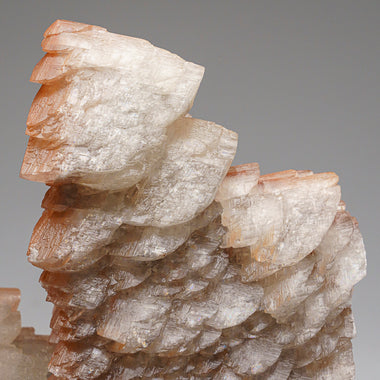
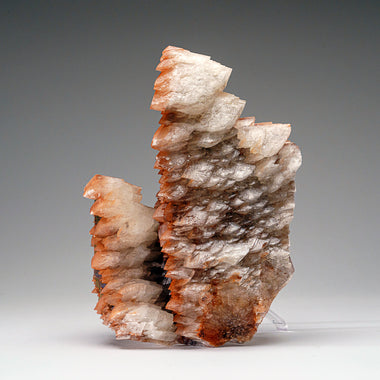
Reference collecting has its own standard of judgement, and it is not a matter of size or sparkle. A calcite from Elmwood is measured against every Elmwood calcite before it; an aquamarine from Nagar against the Hunza Valley’s whole history. The Vault is where Astro Gallery applies that standard commercially — 67 specimens that a species collector would single out, each with its locality line stated in full.
Most minerals are sold. Reference pieces are placed — and the difference is that a placement has to survive the scrutiny of everyone who collects the species.
What Makes a Museum-Grade Mineral Specimen
Three things have to be true at once, and a piece that fails any one of them belongs on a shelf below this. The first is species importance: is this a defining expression of the mineral — the calcite a calcite collector needs, the fluorite that shows why the species is collected at all? Today’s tier runs deep on exactly those: nineteen calcites, fourteen fluorites, nine golds, alongside native copper, azurite, aquamarine and vanadinite.
The second is locality pedigree. Named mines carry reputations built over decades of output, and a specimen is judged against its mine’s best rather than against the market’s average. The third is condition, absolutely — complete terminations, undamaged faces, honest surfaces. Repairs that pass without comment at decor grade disqualify a piece here unless they are disclosed and priced accordingly, which is why the buyer’s question at this level is which piece, not whether.
Mineral Provenance in Practice: Reading a Locality Line
Provenance at this grade is spelled out, not implied — a discipline a third-generation Fifth Avenue firm can afford to keep, because its reputation is the asset. Every title carries mine, district, region and country, so the claim can be checked against the public record of what that mine has produced. Three pieces on the current shelf show what the line does:
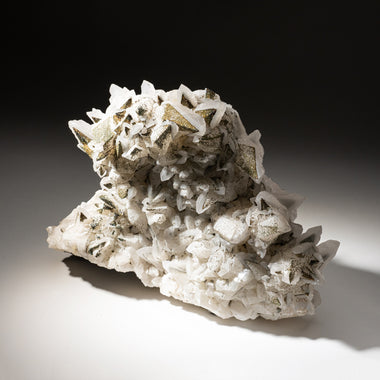
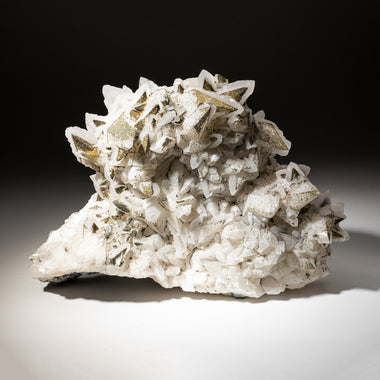
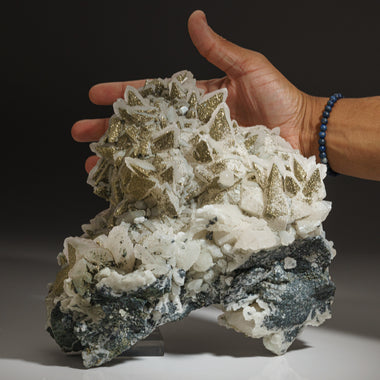
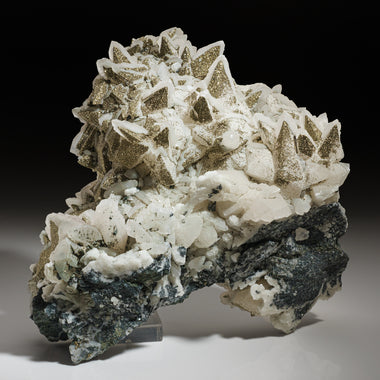
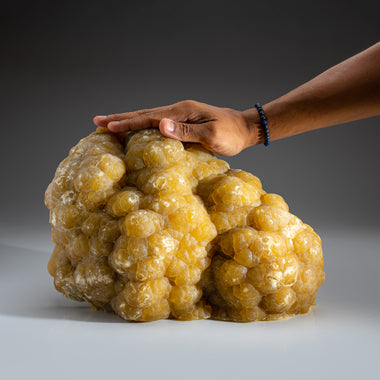
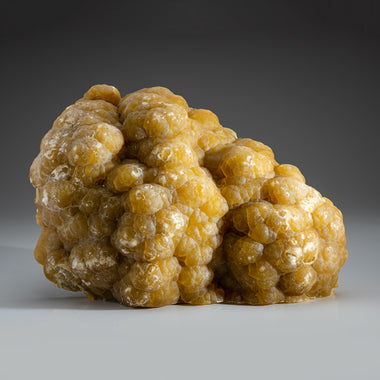
Golden Calcite with Sphalerite — Elmwood Mine, Tennessee
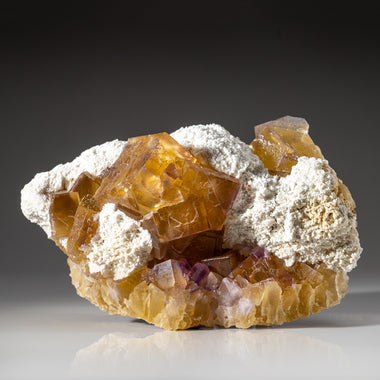
Elmwood is the American zinc mine that became a collector name: golden calcites on sphalerite, from workings that no longer produce freely. The association — two species grown together — is what a collector is buying, and it is the kind of piece that appreciates in reputation as the source closes.
Read that line and you have the mine, the era it was produced in, and the association that makes the piece more than the sum of its species.
Beryl var. Aquamarine on Muscovite — Nagar, Hunza Valley, Pakistan
The Hunza Valley sits high in the Karakoram, and its aquamarines arrive on books of silver muscovite — a contrast that no other locality reproduces in quite the same way. Naming Nagar places the piece within a documented tradition of Pakistani mineral recovery.
Naming Nagar sets the expectation: the matrix a buyer should expect, and the standard against which the crystal’s colour and clarity are judged.
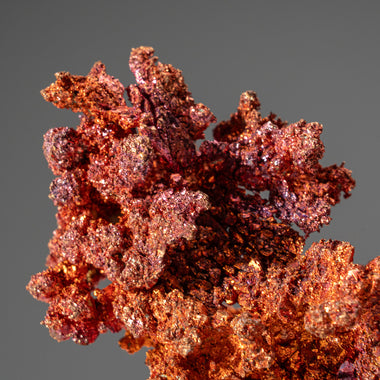
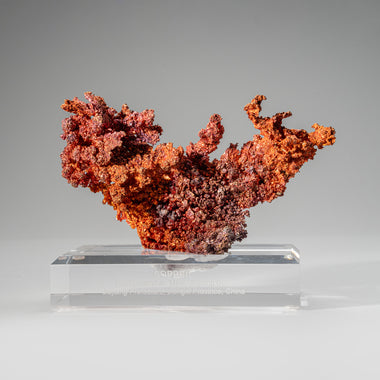
Copper Crystal Cluster — Chengmenshan Mine, Jiangxi Province, China
Native copper crystallised uncombined — an element, not a compound — from a Chinese locality that has produced sharply formed clusters. Native-element specimens are a collecting category of their own, and the mine name is how the market separates them.
The line matters because it says the metal grew as crystal rather than mass, and pins the piece to a known output.
>
Fine Mineral Specimens for Sale — The Current Shelf
Every piece here passed the gallery’s vetting at 417 Fifth Avenue before it was listed. Titles carry the locality line in full and prices show in your currency; at this level nothing is a product with variants, so the comparison that matters is specimen against specimen.
| Specimen | Locality | Price |
|---|
| Copper Crystal Cluster from Chengmenshan Mine, Jiangxi Province, China |
China |
$ 35,000.00 |
| Beryl var. Aquamarine on Muscovite from Nagar, Hunza Valley, Pakistan |
Pakistan |
$ 35,000.00 |
| Golden Calcite with Sphalerite Crystal from Elmwood Mine, Tennessee |
— |
$ 25,000.00 |
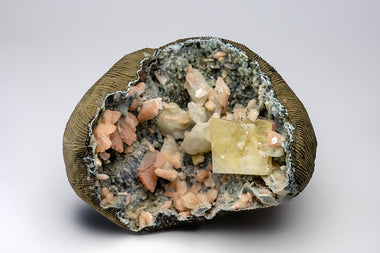
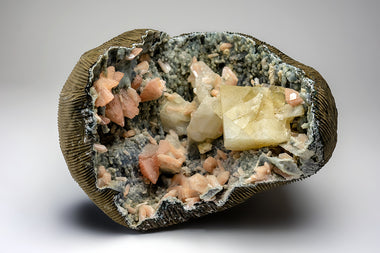
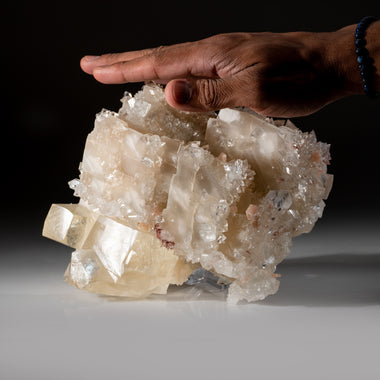
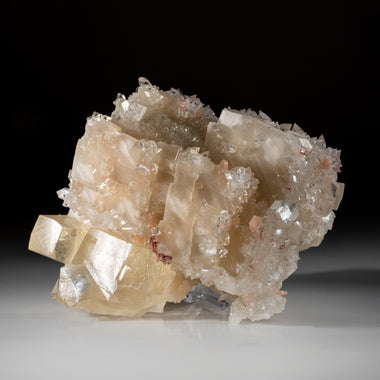
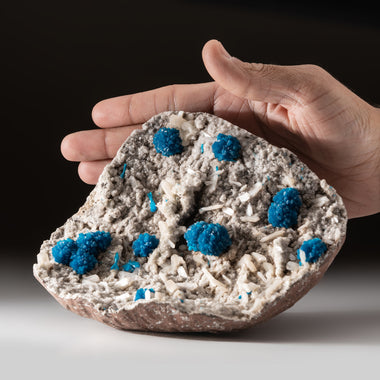
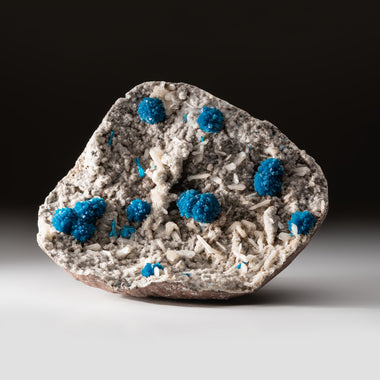
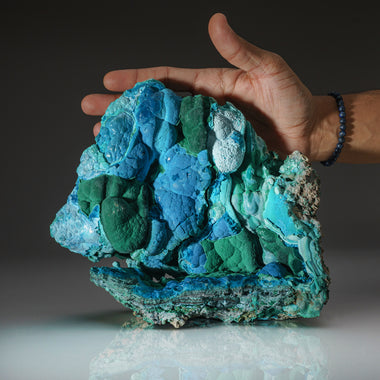
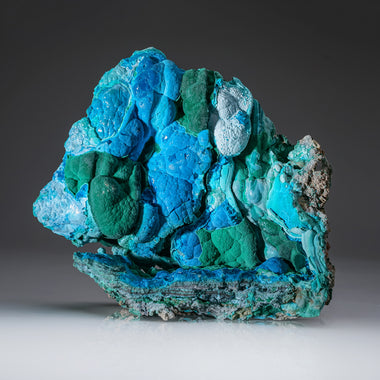
| Calcite with Huelandite and Stilbite on Chalcedony Matrix from Jalgaon, Maharashtra, India |
India |
$ 7,500.00 |
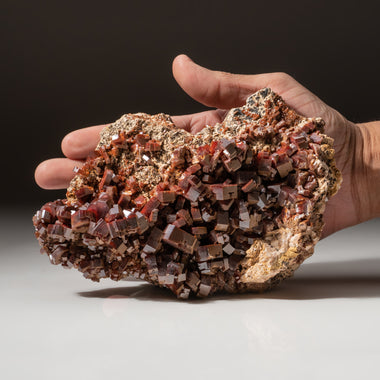
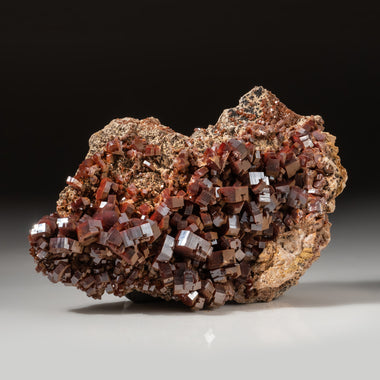
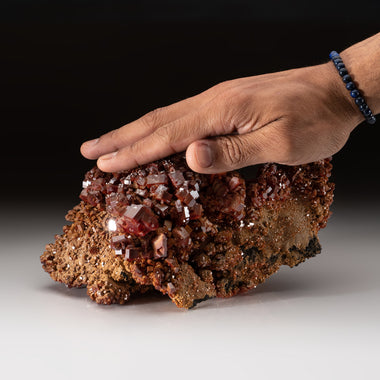
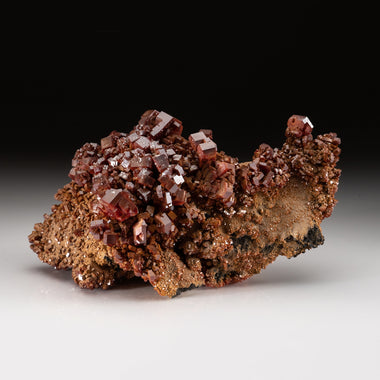
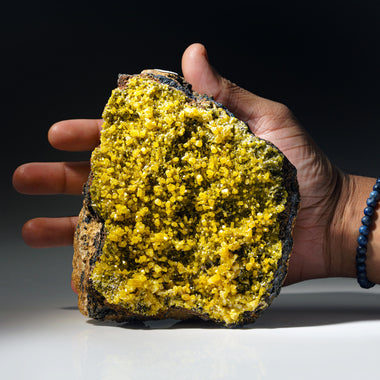
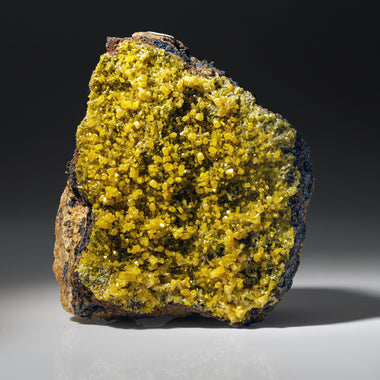
| Vanadinite Crystal Cluster on Matrix From Mibladen, Atlas Mountains, Khénifra Province, Morocco |
Morocco |
$ 8,000.00 |
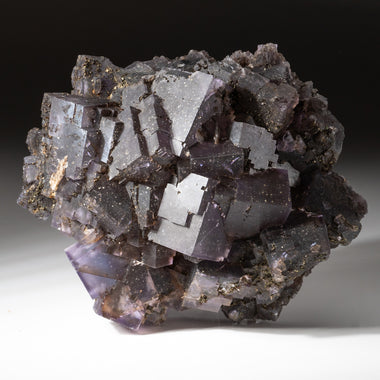
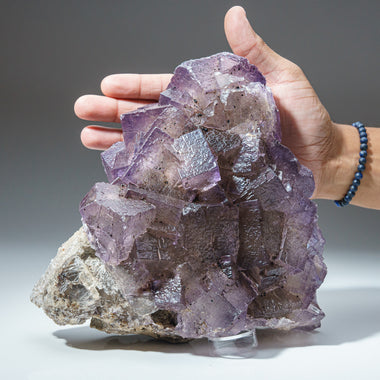
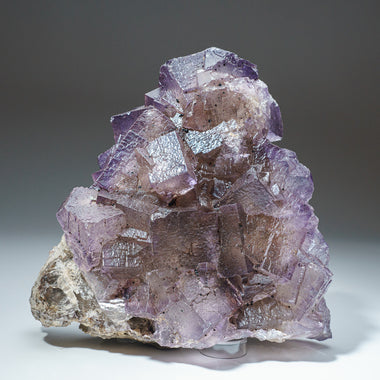
| Purple Fluorite from Elmwood Mine, Carthage, Smith County, Tennessee |
— |
$ 9,000.00 |
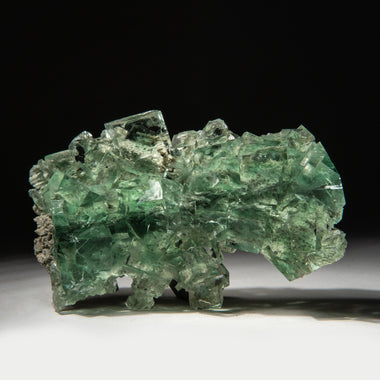
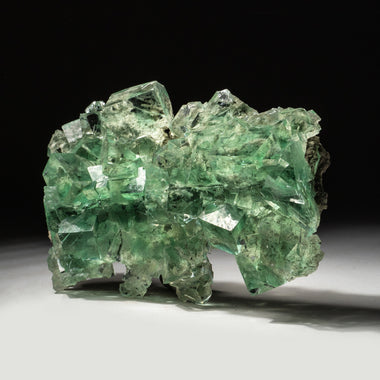
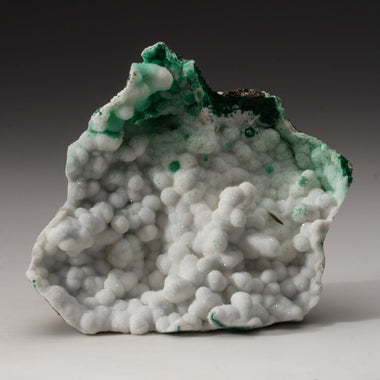
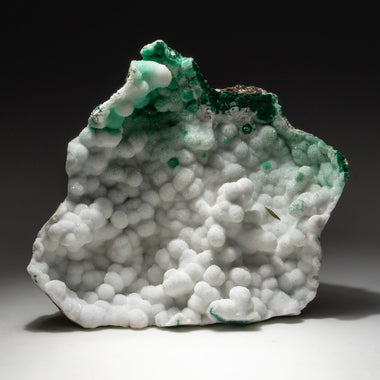
| Green Fluorite Cluster from XIANGHUALING, HUNAN, CHINA |
— |
$ 10,000.00 |
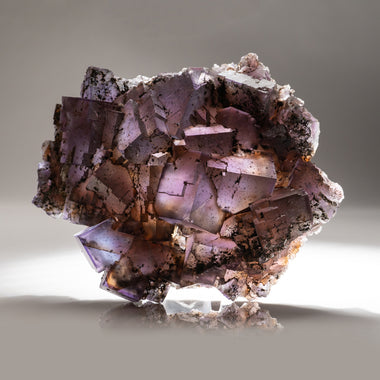
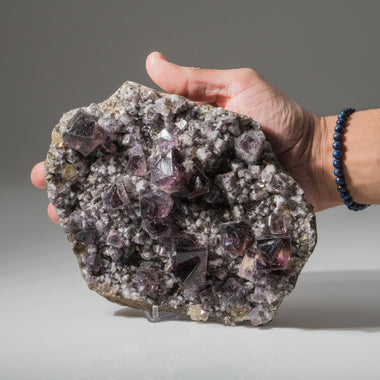
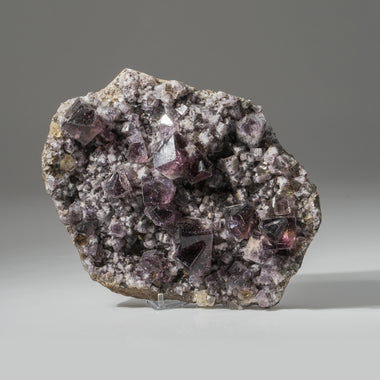
| Purple Fluorite From Greenlaws Mine, Victoria Flatt, Weardale, County Durham, England (3 lbs) |
— |
$ 10,000.00 |
| View the full tier — 67 specimens → |
Fine Mineral Terms: Reference Specimen, Association & Display Face
Reference specimenA piece good enough to stand for its species or locality in a serious collection. The tier’s working standard.
Locality lineMine, district, region, country — stated in full, because at this grade provenance is identity.
AssociationTwo or more species grown together, often worth more than either alone: calcite with sphalerite, aquamarine on muscovite.
Native elementAn element crystallised uncombined — the coppers and golds in today’s tier.
Display faceThe orientation a specimen was collected and trimmed to present. How a piece of this grade is meant to be seen.
Placed, not soldThe trade’s phrase for a reference piece finding the right collection — this tier’s business model in three words.
How a Specimen Reaches This Tier
Reference material moves through a small world. Pieces surface from long-held private collections being dispersed, from estates, from the international shows where dealers and curators trade, and from the mines themselves during the brief windows when a pocket produces something exceptional. A gallery in its third generation sees this flow because it has been in the room for sixty years — and because collectors who bought from it once come back when they sell. Each candidate is examined before it is listed: species, locality claim, condition under magnification, and whether the piece stands up against what its mine is known for. Most do not make it; those that do arrive here with the locality line intact.
Caring for and Insuring a Reference Collection
Fine minerals are stable objects with specific vulnerabilities. Light-sensitive species — realgar and some fluorites among them — fade or alter in strong daylight and belong in cabinet lighting. Cleavable species chip if they touch each other, so pieces sit apart, ideally on their display faces. Humidity swings loosen matrix and lift crystals over years; a steady room does more good than any product. For insurance, keep the listing, the locality line and any correspondence about condition together as the record of what you own — and if a piece needs formal valuation, ask the gallery who to speak to rather than guessing.
Buying Fine Minerals Online: Detail, Photography & Terms
Vault pieces are bought online like everything else in the store, and the gallery expects the questions that come with the grade — condition face by face, additional photography or video, where a specimen sits within its locality’s output. Ask before you decide; an informed placement is worth more to a firm trading since 1961 than a fast sale, and collectors who pursue a species or a locality tell the gallery once and hear about pieces before they are ever listed.
The store’s terms apply here unchanged, and they are deliberately unremarkable: fourteen days to postmark a return in its original packing, refunds within two weeks of receipt or store credit immediately, return carriage with the buyer, arrival damage reported inside one business day. In-person viewing at 417 Fifth Avenue remains available to anyone who prefers to decide by hand.
Rated everywhere we trade
Fine Mineral FAQs: Selection, Provenance & Terms
What makes a Vault specimen different?
Selection. The tier holds pieces that pass all three reference tests at once — species importance, named-mine provenance, condition — the same standard applied one shelf up in the Hall of Fame. The catalogue below it holds excellent minerals; the Vault holds the ones a species collector would single out.
Do specimens come with their locality documentation?
The locality is stated in full on the listing itself — mine, district, region, country — which is the documentation collectors check first, and the gallery will discuss a piece’s history and standing before you commit. Ask for whatever depth you need; at this grade, questions are expected.
Where do Vault specimens come from?
Private collections being dispersed, estates, the international mineral shows, and direct from mines when an exceptional pocket produces. Every candidate is examined — species, locality claim, condition under magnification — before it is listed.
Can I get more photographs and condition detail?
Always. Additional photography, video and a face-by-face condition account are standard practice at this grade, and they happen before you decide rather than after.
Are prices negotiable at this level?
Speak with the gallery directly — reference pieces are individual transactions, conversations about provenance and placement as much as price.
How should fine mineral specimens be stored and insured?
Keep light-sensitive species out of daylight, keep pieces from touching, and hold humidity steady. For insurance, keep the listing, locality line and any condition correspondence together as your record; the gallery can point you toward formal valuation if a piece warrants it.
How often does The Vault change?
Continuously and unevenly: the tier updates as pieces place and new specimens qualify, so the shelf you see today is literally today’s.
What are the purchase terms?
The store’s published terms: 14-day postmarked return in original condition and packaging, refund within two weeks of receipt or immediate credit, buyer-paid return shipping, arrival damage reported within one business day.
The Vault in the Mineral Catalogue
The Vault crowns the map the regional and species nodes fill out: pieces graduate here from collections like African Minerals and Vanadinite, and its own ceiling opens onto the Hall of Fame. For a collector moving up, the price tiers below are the runway.